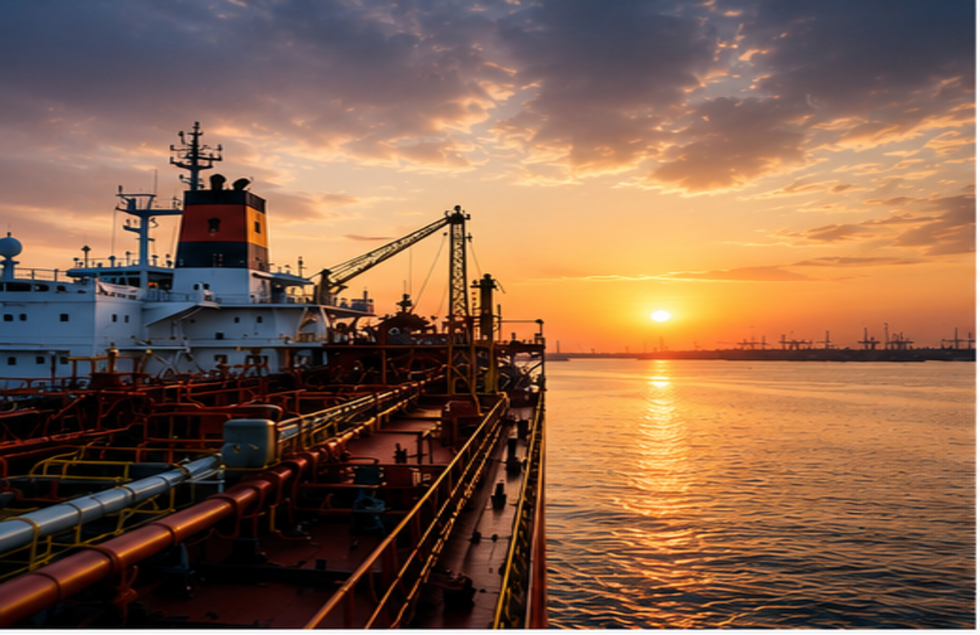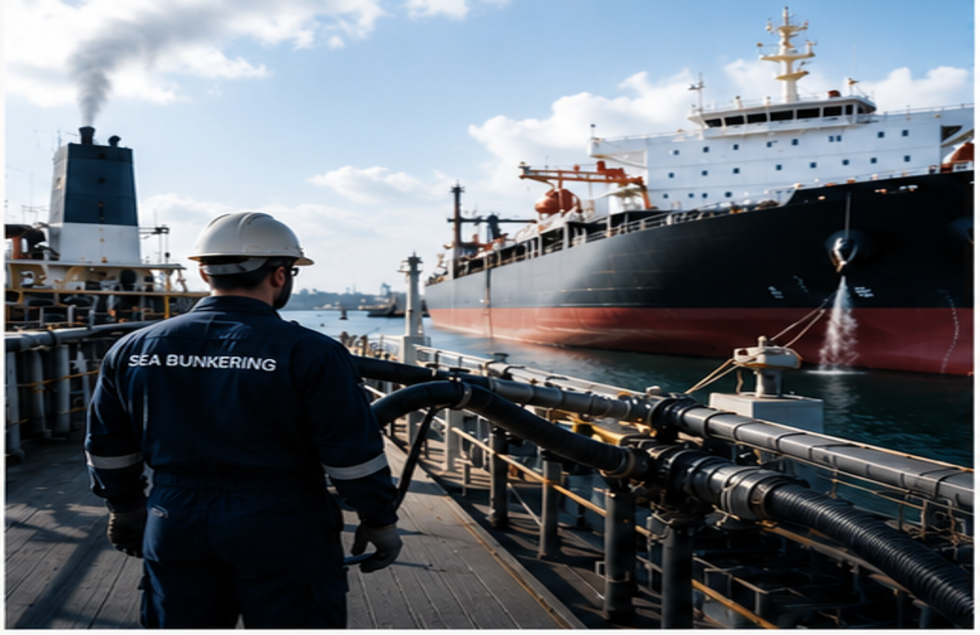
Storage infrastructure plays a critical role in supporting modern maritime energy and logistics operations. Across global shipping and industrial sectors, storage capability helps maintain operational continuity, supply flexibility, and responsive energy coordination. As maritime operations continue growing in complexity, infrastructure...
Storage infrastructure plays a critical role in supporting modern maritime energy and logistics operations. Across global shipping and industrial sectors, storage capability helps maintain operational continuity, supply flexibility, and responsive energy coordination.
As maritime operations continue growing in complexity, infrastructure reliability has become increasingly important across fuel handling and logistics networks.
Infrastructure Supporting Operational Continuity
Modern marine fuel and logistics operations depend on coordinated infrastructure systems that support:
- energy storage,
- fuel handling,
- logistics management,
- and distribution flexibility.
Storage infrastructure allows maritime operations to maintain stability within dynamic global supply environments.
Supporting Maritime Logistics Networks
Ports, terminals, and storage facilities remain central to:
- marine fuel coordination,
- offshore operations,
- energy movement,
- and industrial logistics support.
Efficient infrastructure contributes directly to:
- reduced operational disruption,
- improved scheduling,
- enhanced responsiveness,
- and supply continuity.
Evolving Energy Demands
The maritime and energy sectors continue adapting to:
- environmental pressures,
- changing fuel standards,
- operational modernization,
- and future energy transition requirements.
As fuel technologies evolve, infrastructure operators must remain adaptable while supporting existing operational demands.
Reliability in Industrial Operations
Storage capability provides operational resilience within industries where timing and coordination remain essential.
Reliable infrastructure supports:
- long-term operational planning,
- responsive fuel access,
- and continuity across maritime logistics environments.
Looking Forward
The future of maritime energy operations will increasingly rely on:
- integrated infrastructure,
- responsive logistics systems,
- and operational flexibility.
Infrastructure-driven support will remain essential to maintaining efficient global maritime activity in the years ahead.